Motorsport, at its core, is often romanticised as a spectacle. The roar of engines, the blur of colour, and the theatre of competition. But behind the drama lies something far more methodical.
For tyre manufacturers such as Bridgestone, motorsport is less about the podium and more about the laboratory.
It is here, under immense stress and scrutiny, that tyres are pushed far beyond what any public road could ever demand. And if you were to ask: does racing really make a difference to the tyres you and I use daily?
From Track to Tarmac

In motorsport, tyres are variables. Every lap becomes a data point, and every corner a stress test.
Whether it is the sustained punishment of endurance racing or the high-intensity bursts seen in sprint formats, tyres are subjected to forces that expose even the smallest weaknesses.
On track, tyre temperatures can fluctuate dramatically within a matter of laps. Compounds must be engineered to reach optimal operating temperatures quickly, yet remain stable under prolonged stress. Too soft, and they degrade rapidly. Too hard, and grip becomes elusive.
This delicate balancing act is where motorsport earns its keep. Engineers experiment with compound formulations, tread designs, and internal constructions in real-world extremes.
It's Not Just Rubber

In motorsport, tyre compounds are typically categorised into soft, medium, and hard. A softer compound offers superior grip but at the cost of longevity. A harder compound, on the other hand, sacrifices some outright grip in favour of durability and consistency.
On the road, the same philosophy applies, albeit in a more refined manner. You may not be attacking a chicane at 200 km/h, but the demands of daily driving like sudden braking, wet surfaces, and uneven road textures still require a tyre that can respond predictably.
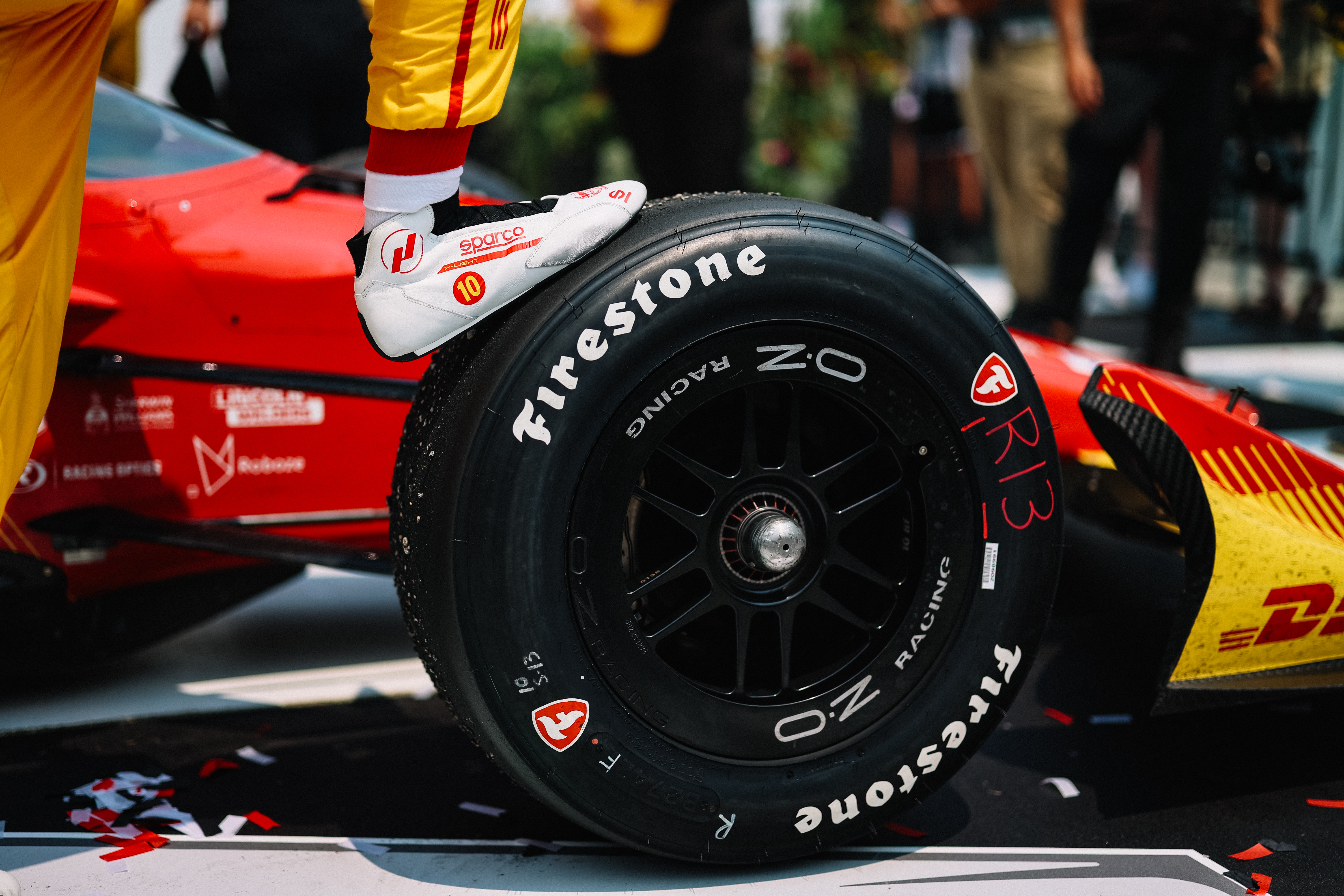
This is where Bridgestone’s motorsport-derived knowledge filters down. Technologies developed contribute to improved wear resistance, while sprint racing insights enhance grip and responsiveness.
Even something as seemingly mundane as wet-weather performance benefits from racing data, where aquaplaning at high speeds can be catastrophic.
Evolution of Tyres
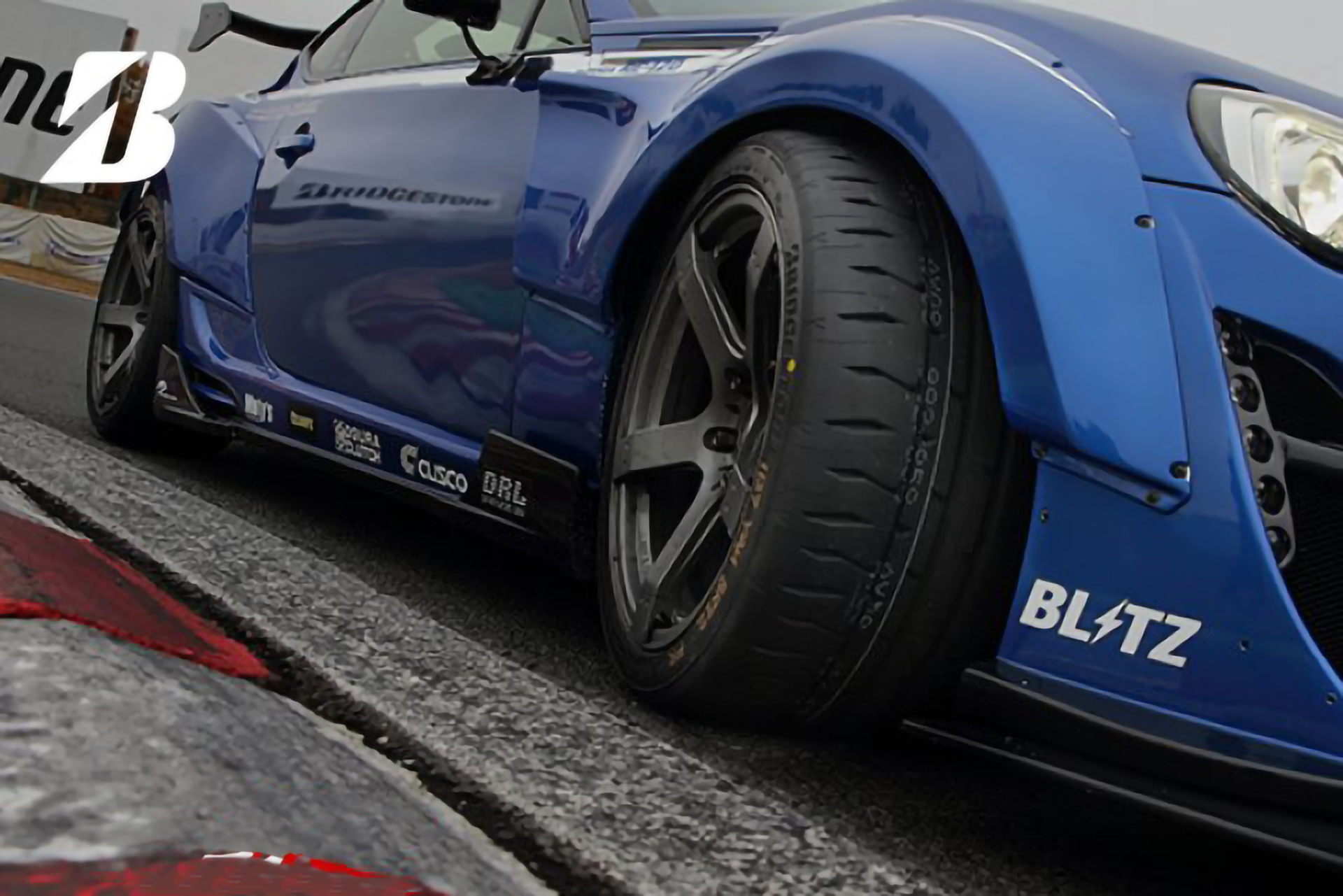
The interesting thing about tyre development is that its successes are often invisible. When a car brakes confidently in the rain or corners with reassuring stability, few drivers stop to consider the engineering beneath them.
Yet, these moments are precisely where motorsport-derived innovation reveals itself.
Racing has long demanded tyres that can disperse water efficiently while maintaining contact with the road surface. This translates directly into road tyres that offer shorter braking distances and improved control during heavy rain.
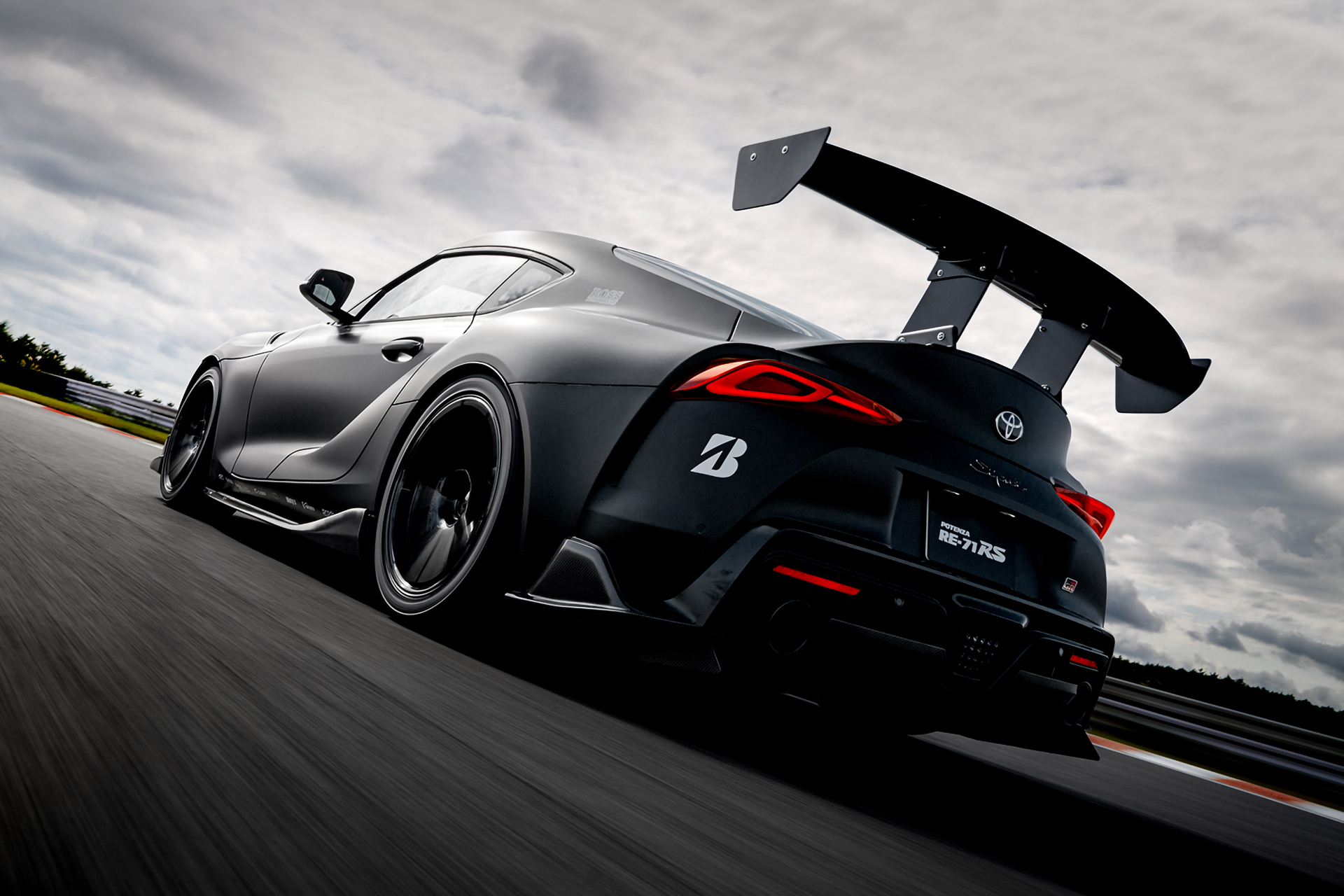
While motorsport prioritises performance, the data gathered helps engineers strike a balance between grip and efficiency for road use. The result is tyres that not only perform, but also contribute to better fuel economy and reduced emissions.
Bridgestone’s newer technologies, such as ENLITEN, further reflect this evolution, reducing material usage while maintaining, or even enhancing, performance characteristics.
Where It All Comes Together

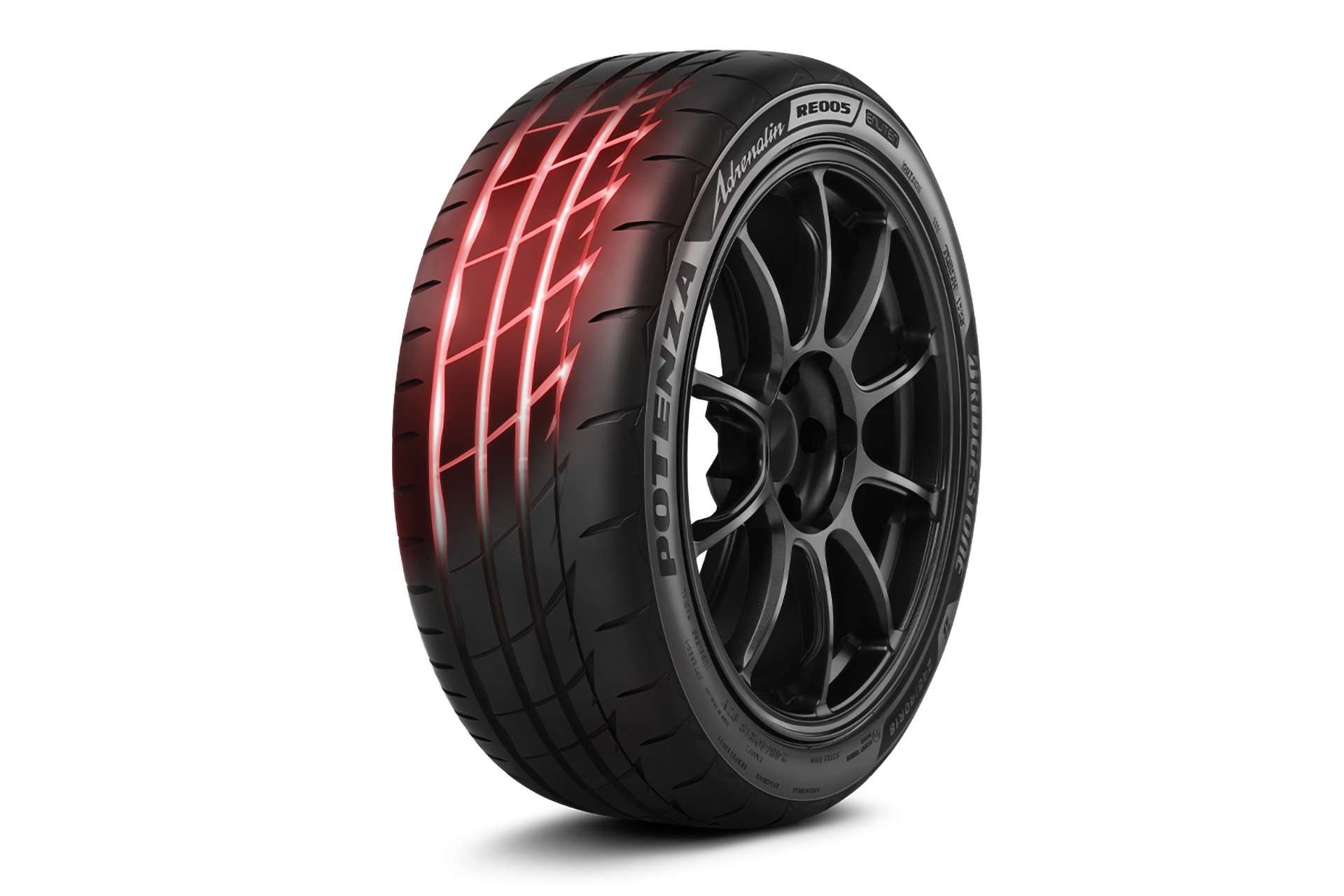
All of the relentless testing eventually culminates in products that make their way to the consumer. The newly launched Bridgestone POTENZA Adrenalin RE005 is one such example.
Positioned as a performance-oriented road tyre, the RE005 embodies many of the lessons drawn from motorsport, designed to deliver a balance of grip, stability, and durability.
Built for the everyday driver, it offers a touch of the racetrack without demanding the sacrifices that usually come with it.
Motorsport, for Bridgestone, is not an isolated pursuit. It is a continuous cycle of learning, refining, and applying. The tyres that endure the harshest conditions on track ultimately shape the ones we rely on daily.
So the next time your car grips confidently through a wet corner, or comes to a composed stop in traffic, it might be worth asking: how much of that assurance was born on a racetrack?